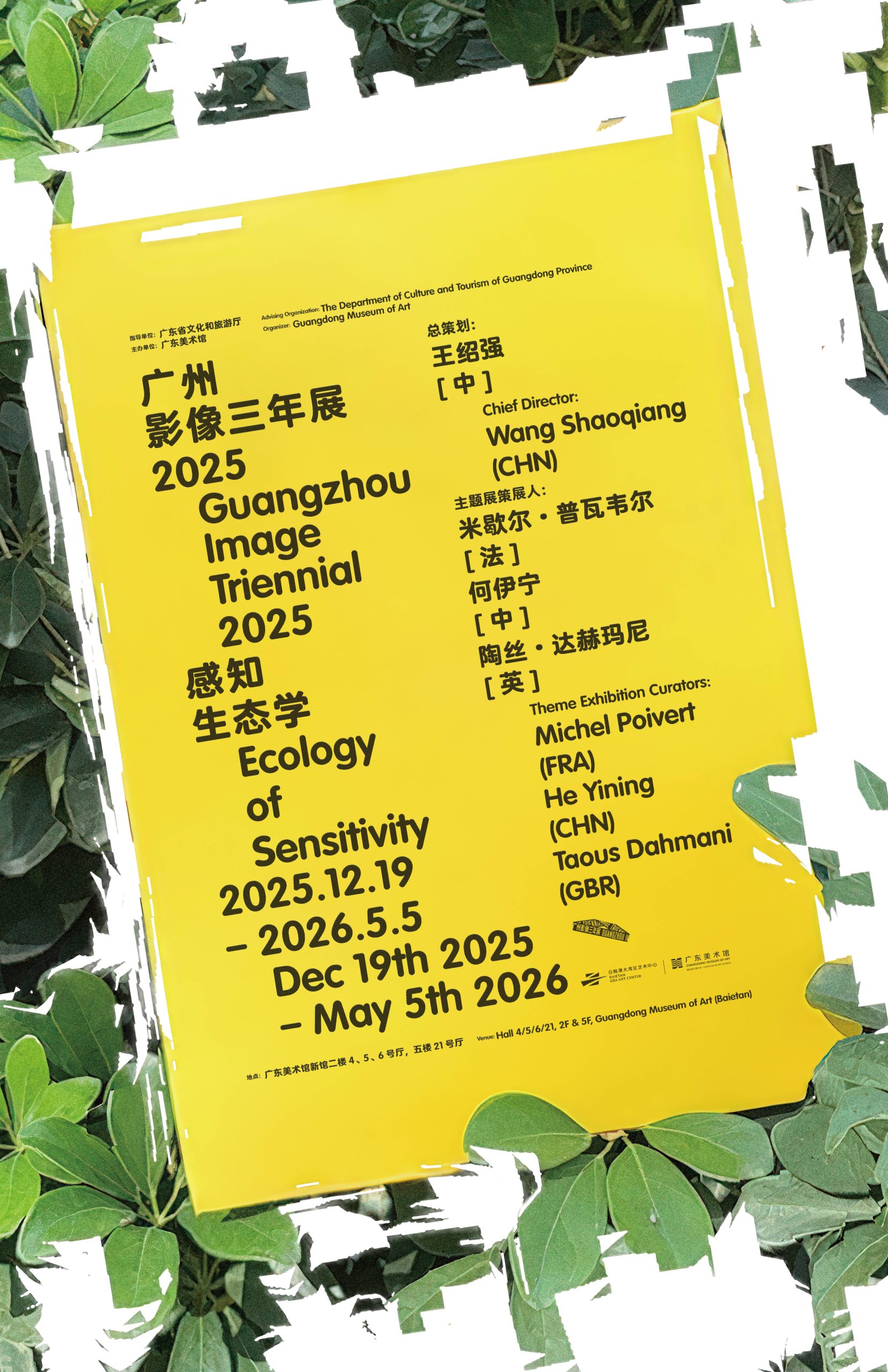
Guangzhou Image Triennal 2025: Ecology of Sensitivity
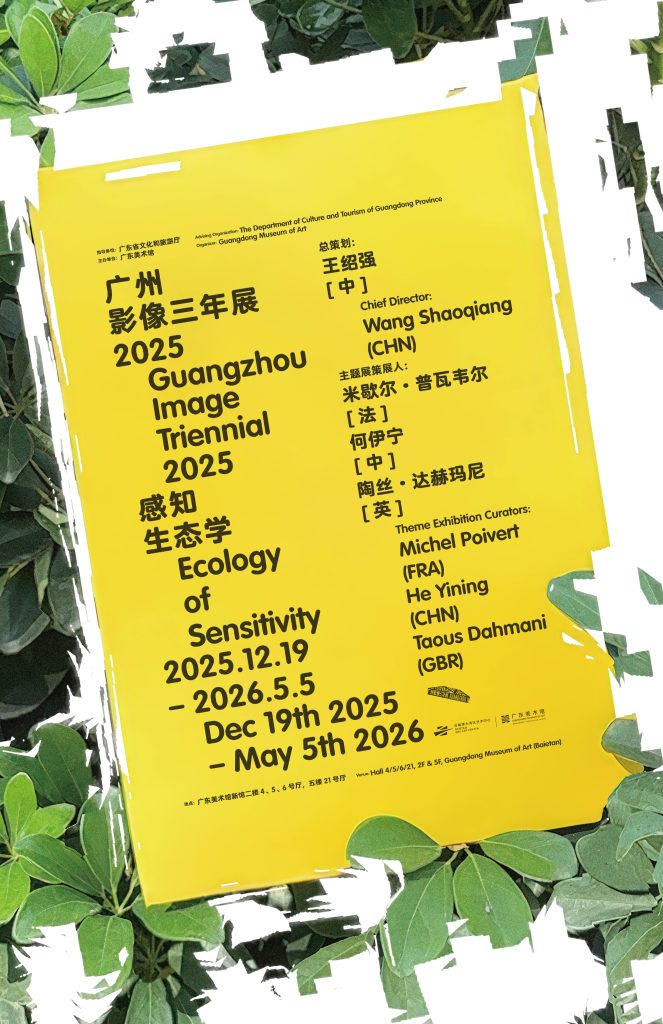
In an algorithm-dominated visual age, Guangzhou Image Triennial 2025 explores the potential of an “expanded photography” to reconnect humans with reality. Contemporary artists offer new forms of attention, seeking to build new imaginaries of nature and memory by bringing together both digital and post-digital (neo-analog) aesthetics. Guangzhou Image Triennial 2025 stands as a manifesto for an Ecology of Sensitivity, reshaping how we perceive the world.
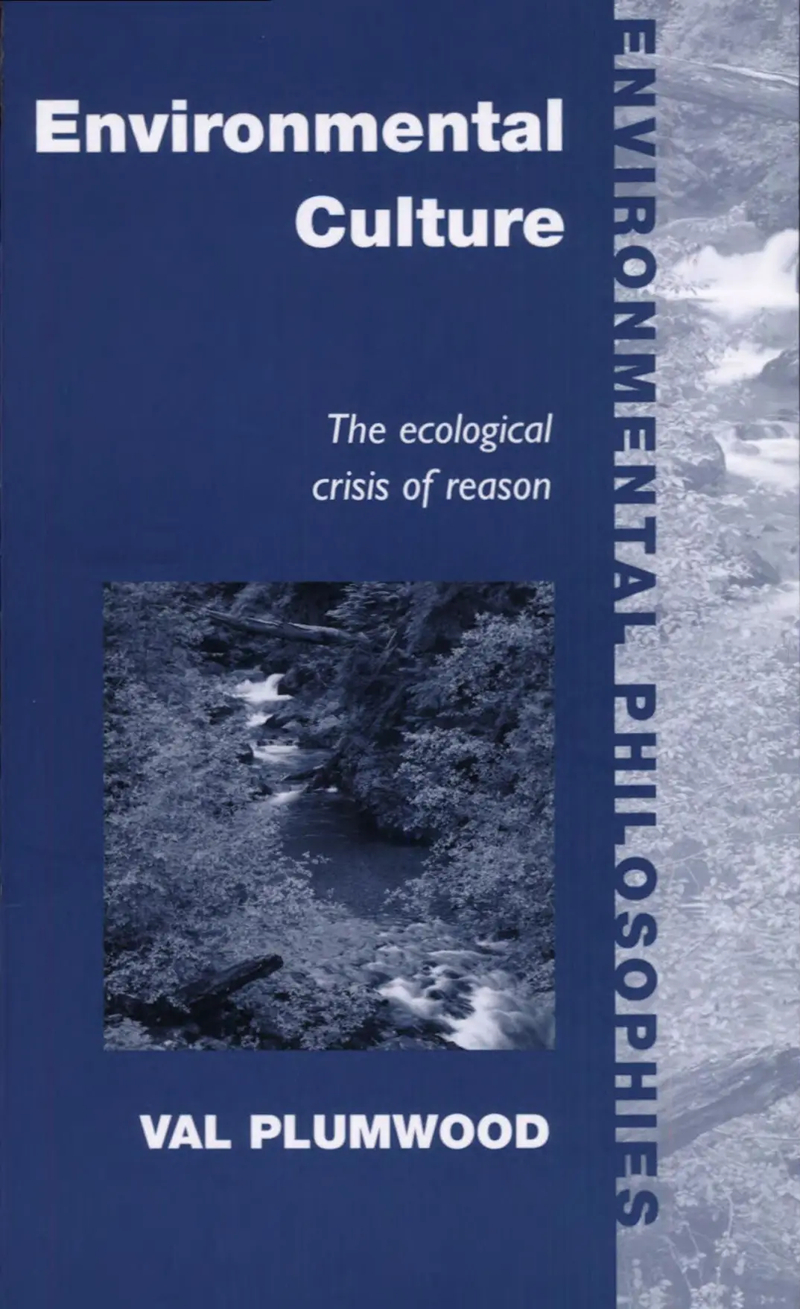
Environmental Culture:The Ecological Crisis of Reason, Val Plumwood, 2002.
Guangzhou Image Triennial 2025 offers a perspective on visual artists who take the context of the Anthropocene as a determining factor in representing the world.
Our digital existence has led to a crisis of sensitivity, impoverising our perceptions by depriving us of direct contact with nature and favoring the mediation of images. Yet, contemporary artists invite us to reclaim this sensitivity, approaching materiality in a different way and rethinking our relationship with history and memory. The Triennial thus stands as a true manifesto for a new ecology of sensitivity.
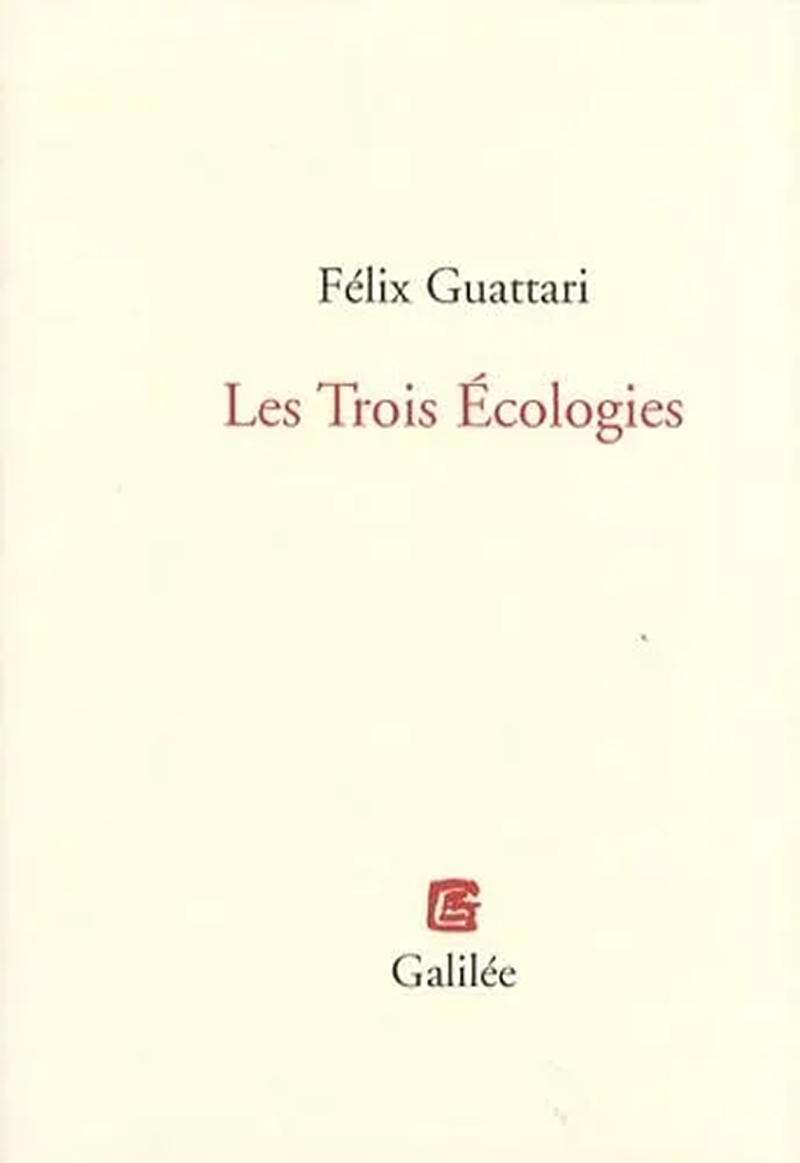
Les trois écologies, Félix Guattari, Galilée, 1989 .
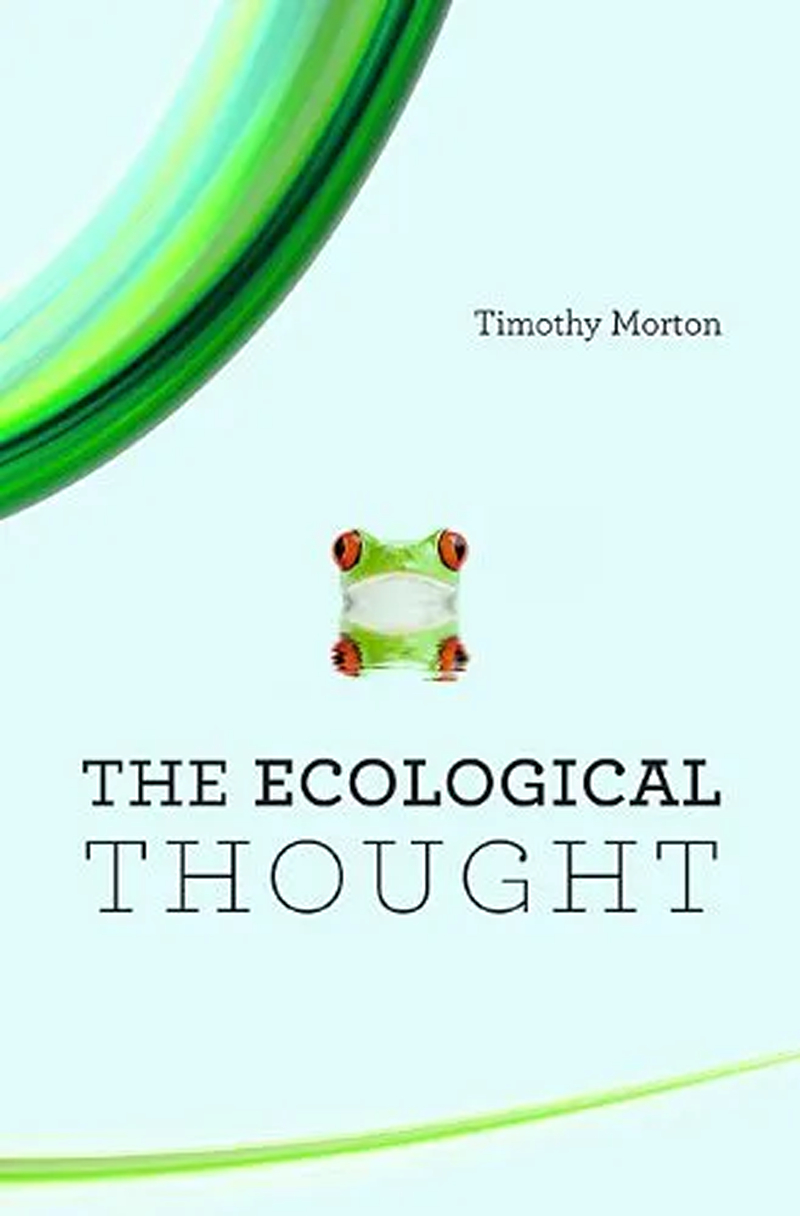
The Ecological Thought, Timothy Morton, Harvard University Press, 2010.
2025·Arne Næss·Félix Guattari “ecosophy”
Guangzhou Image Triennial 2025 considers new forms of attention by highlighting the latest photographic experiments—the exhibitions centre on attitudes of reconnection with reality by transforming our perception of phenomena. Drawing on the notion of ecosophy – the wisdom of nature – developed by the philosophers Arne Næss and Félix Guattari, who intertwine environmental, social and mental ecologies, the selected artists propose a genuine ethics of sensitivity. At times, they turn away from conventional images to re-examine the medium itself: light, time, photosensitive substances, and the tangibility of supports are presented as an alternative visual vocabulary with regard to advanced technologies.
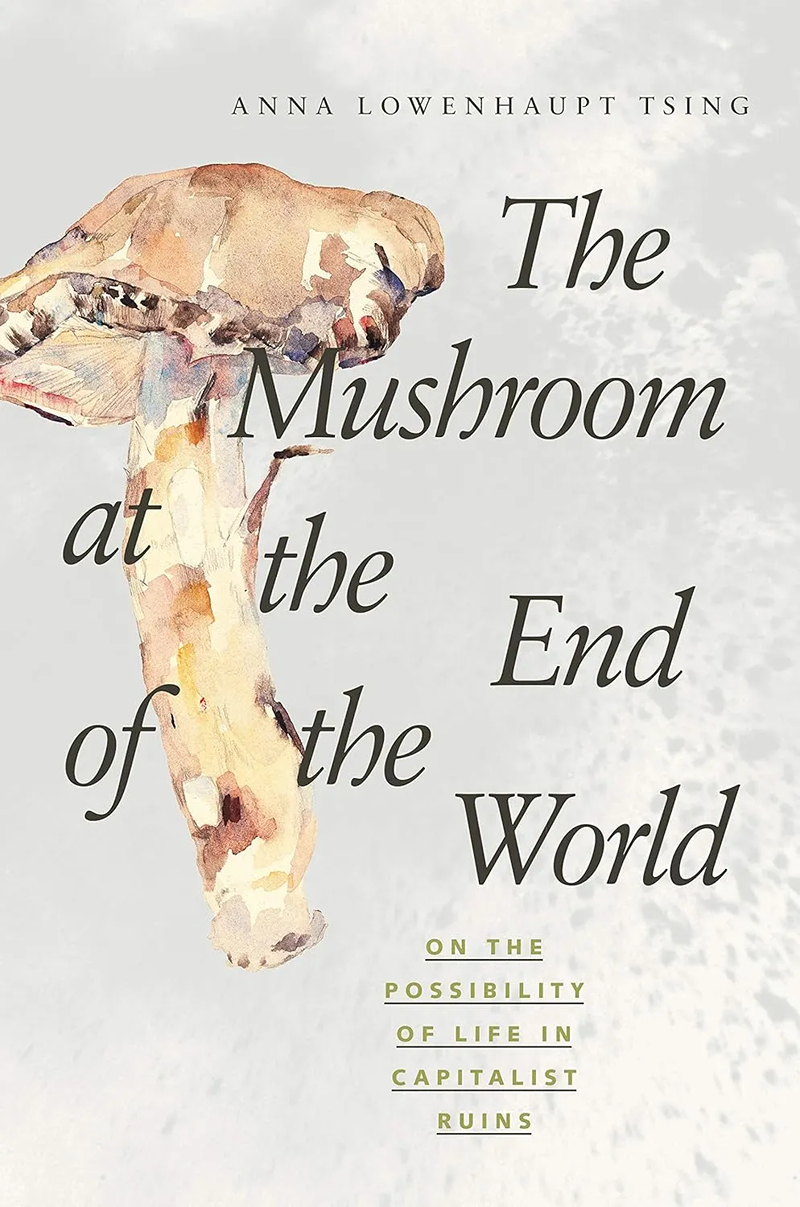
The Mushroom at the End of the World- On the Possibility of Life in Capitalist Ruins, Anna Lowenhaupt Tsing, Princeton University Press, 2015.
The materiality of the image has evolved into a poetic language. Sometimes abstract, but always tangible, this new photography marks a true neo-analog turn. As the medium of the sensitive — rooted in photosensitivity— photography offers a uniquely powerful space for exploring how our sense can reconnect us to the world. In this context, an ecology of sensitivity emerges as both an aesthetic and an ethical imperative.
Section 1
NEO-ANALOG: Expanded Photography in Post-digital Era
Curator: Michel Poivert
Assistant Curator: Zhang Hui
This section is conceived as a perceptual field designed to spark resonance between the audience and natural elements. As illuminated by philosopher Hartmut Rosa’s concept of “Resonance”, this embodies an aesthetics of tranquillity and deceleration.
Here, these “nature ontologies” activate the materiality of the image. Materiality, perception, and culture intertwine to respond to the profound transformations undergone by the Earth system. This “material sensibility” reminds us that natural elements are no longer resources for infinite extraction but rather the very conditions that allow for resonance and connection between humanity and nature. Simultaneously, they reveal the deep, transformative impact of human activity on the Earth’s composition.
Artists List of Section I
1. Francois Bellabas (FRA)
2. Chen Xiaoyi (CHN)
3. Chen Yan (CHN)
4. Dana Cojbuc (ROU)
5. Arina Essipowitsch (FRA)
6. Nicolas Floc’h (FRA)
7. Marina Font (ARG)
8. Claudia Jaguaribe (BRA)
9. Amélie Labourdette (FRA)
10. Suzanne Lafont (FRA)
11. Hanako Murakami (JPN)
12. Hasnae El Ouarga (MAR)
13. Ayako Sakuragi (JPN)
14. Laure Winants (BEL)
15. Alzbeta Wolfova (CZE)
16. Zeng Han (CHN)
17. Brankica Zilovic (FRA)
Section II
Strata of Sensi-Visibilities
Curator: Yining He
The exhibition adopts the geological cross-section as its organising metaphor and deploys “materiality–situated knowledges” as a curatorial strategy. It foregrounds the convergence of three forces within artistic creation: material practices, embodied techniques, and situated sensibility. Through this alignment, it unsettles algorithmic disciplinary vision, advances a decolonial reconfiguration of perception, and dismantles the stratigraphy of visual power. The exhibition centres on three core enquiries: How to expose the hidden couplings between digital systems and their material, resource, and labour substrates, thereby reawakening buried image-material memories? How to counter algorithmic visual flattening through embodied analogue intelligence and locally grounded tactile experiments? And how to dismantle the colonial gazes and discursive hegemony sedimented in historical archives, redrawing the strata of visual power via material-perceptual practice?
Artists List of Section II
1. Cai Dongdong (CHN)
2. Sean Cham (SGP)
3. Huang Qingjun (CHN)
4. Gregory Eddi Jones (USA)
5. Lebohang Kganye (ZAF)
6. Kim Myong Jong (KOR)
7. Lisa Changlee (CHN)
8. Li Hanwei (CHN)
9. Lilly Lulay (DEU)
10. Qiu (CHN)
11. Tan Yingjie (CHN)
12. Hugo Teixeira (PRT/USA)
13. Munem Wasif (BGD)
14. Wu Yumo (CHN)
Section III
Ripples: Entanglements of Time, History, and Ecology
Curator: Taous Dahmani
When a stone plunges into water, it breaks the surface in a splash. From that point of impact, ripples radiate outward in widening circles. The disturbance sends energy coursing through the water in waves. The exhibition “Ripples: Entanglements of Time, History, and Ecology” draws on that image to explore the human forces that have unsettled Earth’s ecosystems, triggering a cascade of climate-related effects. Driven by ideas of progress and development, human activity has unleashed chains of events that spread outward—like ripples. These ripples extend not only through space but through time, revealing the deep entanglement of history, ecology, and human society. Nature is not timeless nor separate from us, but woven into human histories, social structures, and systems of power.
Artists List of Section III
1. Carolina Caycedo (USA)
2. Ayesha Hameed (GBR)
3. Hiên Hoàng (VNM)
4. Sky Hopinka (USA)
5. Liu Yujia (CHN)
6. Long Pan (CHN)
7. Morvarid K (FRA)
8. Onoriode Abraham Oghobase (CAN)
9. Himali Singh Soin (IND)
10. Yan Wang Preston (GBR)